Electronic City runs on back-to-back calls. Between a 9 AM stand-up and a client call that overruns into lunch, most people working from home in Phase 1, Phase 2, or the Neeladri Road stretch don't have a spare hour to step out for groceries — let alone plan meals around it. The result is a very specific kind of shopping list: fast, small, and needed now, not eventually. What WFH Shopping in Electronic City Actually Looks Like Talk to anyone working from home in this part of Bangalore and the pattern is consistent: • Top-up orders, not weekly hauls — milk, eggs, coffee, and snacks run out mid-week, not on a fixed shopping day. • Lunch is a decision made under time pressure — between meetings, not planned the night before. • Desk snacking and coffee runs matter more here than elsewhere — long screen hours mean small, frequent needs throughout the day. • Long commute-free days blur into long shopping-free days — without a commute to town, it's easy to realize by 6 PM that the fridge is empty. Electronic City's mix of tech parks and residential blocks means demand for fast, reliable delivery is high — but most apps still treat it like any other Bangalore pin code, rather than a WFH-heavy micro-market with its own rhythm. The Real Pain Points for WFH Shoppers Here 1. Ordering fatigue. Switching between a grocery app for essentials, a food app for lunch, and a separate app for the occasional online purchase — all while trying to stay focused on work — adds up across a day. 2. Unpredictable stock-outs. Nothing derails a focused work morning like discovering there's no milk for coffee and the nearest store is a 15-minute walk from your desk. 3. Impulse ordering, invisible spending. Small, frequent WFH orders are easy to lose track of — a ₹150 snack run here, a ₹300 lunch there, rarely totalled until the month closes. 4. No time to compare. WFH days are already full; nobody wants to spend 20 minutes comparing three delivery apps for a bag of coffee. Building a Household System Around the WFH Day This is exactly the kind of daily friction Accesco Living is designing for. Instead of separate apps for separate needs, the ecosystem brings groceries, food, and everyday essentials together: • Grokly handles the top-up grocery runs — milk, snacks, coffee, staples — with predictive restocking so you're not discovering an empty fridge mid-call. • Swadishtt covers the lunch-under-pressure problem, with home-chef and curated food options that don't require planning ahead. • One cart, one budget means your scattered WFH-day spending — groceries, lunch, snacks — shows up in one place, not buried across three apps and three payment histories. • Doorstep delivery built for a workday, not a leisurely weekend shop, so essentials arrive without pulling you away from your desk for long. What This Means If You Work From Home in Electronic City The Electronic City WFH crowd doesn't need another delivery app promising speed — most already deliver fast. What's missing is an app that understands the shape of a WFH day: small orders, unpredictable timing, lunch decided in real time, and a real need to see where the money's actually going by month-end.
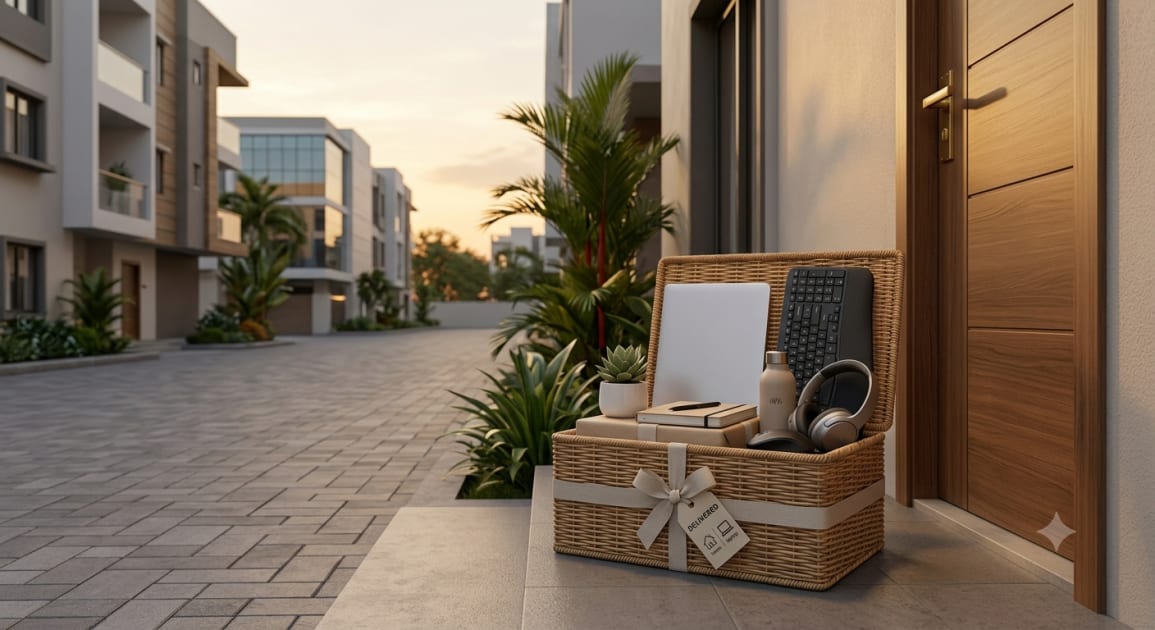
Electronic City Work-From-Home Shopping Essentials, Delivered to Your Door
Business
August 8, 2026
About Accesco Living
Learn more about usExperience India's Everyday Living App
Be among the first to explore Grokly, Swadisht & InstaStyle before the Bengaluru launch.