For decades, the world’s biggest technology companies have competed to build operating systems. Computers have them, smartphones rely on them, and businesses spend billions of dollars every year on software that helps manage everything from payroll to inventory. Operating systems organize information, simplify tasks, and connect different services into a single experience. They sit quietly in the background, making modern life function more smoothly.
Yet there is one place where no true operating system exists: the household.
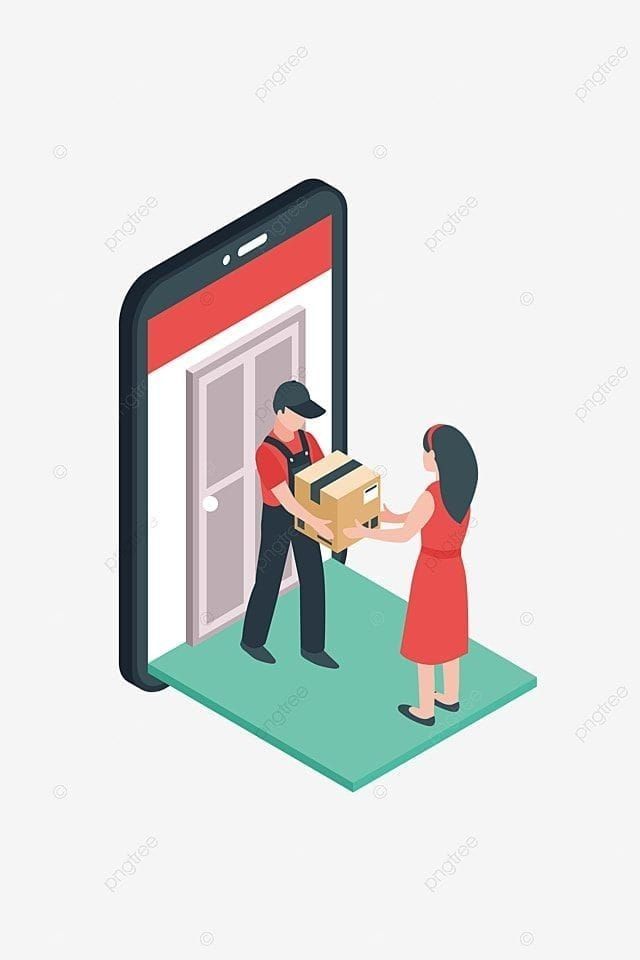
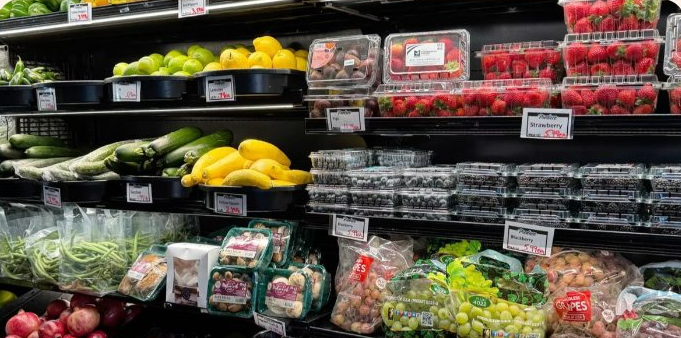
The modern household runs on an unusual combination of memory, habit, and dozens of disconnected applications. Groceries are ordered from one platform, food comes from another, entertainment subscriptions are managed elsewhere, and expenses are tracked—if they are tracked at all—through spreadsheets, notes, or bank statements. Families coordinate plans over messaging apps, save reminders on their phones, and rely on mental calculations to keep daily life moving.
For years, this fragmented system worked reasonably well because household management was relatively simple. Shopping happened once a week, bills arrived at predictable intervals, and most purchases were made in physical stores. Today, however, the number of decisions people make every day has increased dramatically. Households are no longer managing a handful of expenses each month. They are managing hundreds of transactions spread across multiple platforms and services.
Think about how businesses operate. A company does not rely on memory to track inventory or monitor cash flow. It uses software to organize information, forecast demand, and identify inefficiencies. Data helps businesses make decisions that would otherwise be impossible to manage manually. Households, despite being equally complex in many ways, continue to function without comparable systems.
The consequences of this gap are becoming increasingly visible. Consumers lose track of subscriptions they no longer use. Families underestimate how much they spend on food delivery and convenience fees. Essential items run out unexpectedly, leading to last-minute purchases that cost more than they should. The challenge is not that people are irresponsible with money or poor at planning. The challenge is that the tools available to households have not evolved at the same pace as commerce itself.
Technology has already transformed nearly every aspect of daily life. Navigation apps tell people how to avoid traffic. Streaming services recommend what to watch next. Music platforms learn individual preferences with remarkable accuracy. Yet when it comes to managing an entire household, most people are still assembling solutions from separate apps that were never designed to work together.
This fragmentation creates friction in subtle ways. One family member orders groceries while another subscribes to a new service. Bills are split across different bank accounts. Purchases made on one platform have little connection to spending on another. Each app performs its individual task well, but no system understands how the household functions as a whole.
The idea of a household operating system begins with a simple question: what if all these activities could be connected? Instead of treating shopping, budgeting, entertainment, and daily planning as separate experiences, an operating system for the home would recognize that they are deeply related. It would understand recurring patterns, anticipate needs, and provide households with a clearer picture of how they spend their time and money.
Artificial intelligence is likely to play a major role in making this possible. AI systems are becoming increasingly capable of identifying habits, predicting behavior, and organizing information at a scale that humans cannot easily manage on their own. In the future, technology may be able to recognize when groceries are likely to run out, flag unusual spending patterns, or suggest more efficient ways to manage household expenses.
Importantly, the goal is not to automate every aspect of daily life. Families will continue to make their own decisions about what to buy, where to spend, and how to prioritize their needs. The role of technology is to reduce complexity and provide clarity in a world where convenience often creates confusion.
A number of companies are beginning to explore this broader vision. Accesco Living, for example, has positioned products such as Xpense Meter, Grokly, Swadisht, and InstaStyle as pieces of a larger ecosystem rather than independent services. The idea is not simply to deliver groceries or recommend products, but to create a more connected experience that reflects how households actually function.
Whether this vision becomes reality remains to be seen. Building a true household operating system is an ambitious challenge because homes are far more personal and unpredictable than businesses. Every family has different routines, priorities, and spending habits. Any platform that hopes to organize household life must balance convenience with privacy, automation with control, and efficiency with flexibility.
Still, the direction of travel is clear. As commerce becomes more digital and daily life becomes more interconnected, households will need better tools to manage complexity. The next major technology platform may not be another social network or smartphone. It may simply be the system that finally helps people understand and organize the countless decisions that shape everyday life.
Computers have operating systems. Businesses have operating systems. Increasingly, households may need one too.