Late-night grocery orders are rarely about groceries. A look at impulse ordering behavior on quick commerce apps and how Grokly is designed to work with your habits, not against them.
Target keyword: late night impulse grocery order India
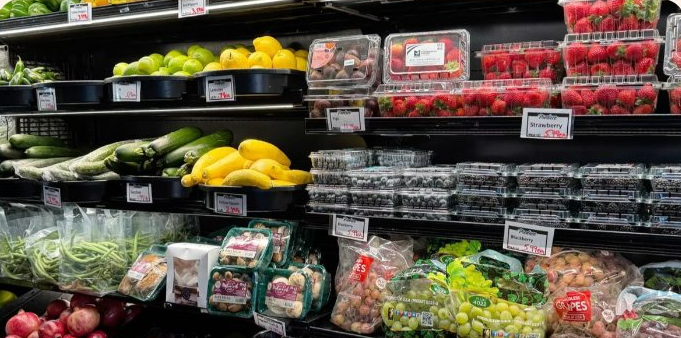
You know the order. It's not on the list. It's 11:47 PM, you're half-watching something, and suddenly you're adding chips, a chocolate bar, maybe a random face mask you saw in the "you might also like" carousel, and calling it a "quick top-up."
It arrives in ten minutes. It always does. That's the whole design.
Here's the thing nobody in quick commerce wants to say out loud: the entire late-night impulse order isn't really about groceries. It's about boredom, stress, a bit of dopamine-seeking at the exact hour your willpower is at its lowest.
The 10-minute delivery model didn't invent this impulse humans have always snack-shopped when tired but it removed literally every piece of friction that used to slow it down. No jacket, no walk to the store, no queue to stand in and reconsider. Just a thumb and a tap.
We're not going to pretend Grokly is here to stop you from ordering chips at midnight. That's not our job, and honestly, sometimes you just want the chips.
What we do think is worth building is a system that's at least honest with you about the pattern. Grokly is built inside the same ecosystem as Xpense Meter, which means that 11:47 PM order doesn't disappear into an anonymous order history it shows up as part of your actual spending picture the next morning, not buried three menus deep in an app you'll never open again.
The goal isn't to guilt-trip you out of a midnight snack. It's to make sure "just one quick order" doesn't quietly become a pattern you didn't consciously choose.
Convenience shouldn't come at the cost of awareness. That's the whole bet we're making with Grokly.