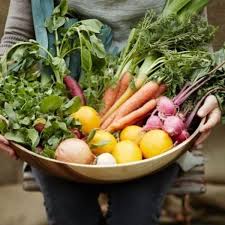
Yes, farm-fresh groceries can be delivered in Bengaluru at reasonable prices, but it depends heavily on how short the supply chain actually is between the farm and your doorstep. The price premium most people associate with "fresh" or "farm sourced" produce usually comes from added middlemen, extra handling, or premium branding, not from freshness itself. When a grocery delivery service sources closer to the farm and moves produce through fewer stops, fresher produce and affordable pricing aren't actually in conflict.
The confusion around this comes from how the term "farm fresh" gets used in retail generally. A lot of produce marketed this way has still passed through several intermediaries, a local mandi, a distributor, a retailer, each adding a margin and, often, a day or two of transit time before it reaches a shopper. By the time it's labelled farm fresh on a shelf or an app listing, it may not be meaningfully fresher than standard produce, just priced as though it is.
Genuine cost efficient freshness comes down to supply chain length, not marketing language. Sourcing directly from farms or from markets close to where produce is grown, and getting it to a delivery hub with minimal extra handling, keeps both the quality and the price closer to source cost rather than accumulating markup at every stop. Bengaluru's proximity to Karnataka's agricultural belt makes this genuinely achievable for a grocery delivery service willing to build sourcing around it, rather than defaulting to the same distribution network every other app relies on.
Grokly's approach to fresh produce is built around exactly this shorter chain, sourcing directly where possible rather than routing everything through the same layered distribution most quick commerce depends on. The result is produce that's fresher because it genuinely spent less time in transit, priced closer to what it actually costs to move rather than what a longer chain of middlemen would otherwise add on.
Frequently Asked Questions Is farm-fresh produce always more expensive than regular grocery delivery? Not necessarily. The price difference usually comes from how many intermediaries the produce passes through, not from freshness itself. A shorter supply chain from farm to delivery hub can keep prices close to standard grocery pricing while still improving actual freshness.
How can I tell if grocery delivery produce is genuinely fresh? Look for shorter time between harvest and delivery rather than relying on labelling alone. Signs like consistent stock turnover, visible sourcing information, and fewer wilted or damaged items across multiple orders are more reliable indicators than a "farm fresh" tag on its own.
Does buying direct from farms reduce packaging waste too? Often, yes. Shorter supply chains typically involve less repackaging and fewer handling stops, each of which usually adds its own layer of packaging. Produce sourced closer to the farm tends to move through fewer of these intermediate steps.
Is quick commerce a good option for fresh vegetables and fruits specifically? It depends on the specific app's sourcing model rather than quick commerce as a category. Apps that source from a long, generic distribution network may offer speed but not necessarily better freshness. Apps built around shorter, more direct sourcing chains tend to do noticeably better on produce quality specifically.
What should I look for in an app claiming farm-fresh delivery in Bengaluru? Check whether the app is transparent about where produce is sourced from and how quickly it moves from farm to delivery. Consistent quality across repeat orders is a better signal than a one-time good experience, since sourcing claims are easy to make but harder to maintain reliably over time.