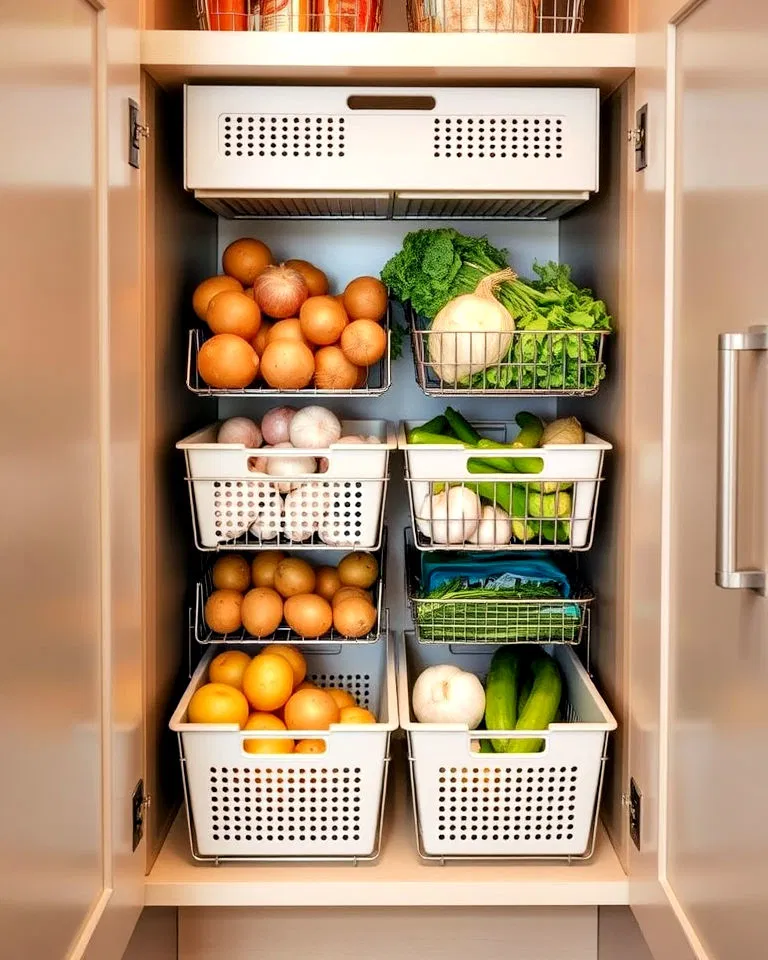
Practical, India specific tips to reduce food waste at home, covering storage, portioning and smart grocery planning for everyday kitchens.
The average Indian household throws away food worth thousands of rupees every month without realizing it, mostly through over buying vegetables, poor storage and portion sizes that do not match how many people are actually eating. Fixing food waste starts with buying closer to your actual weekly consumption rather than stocking up out of habit.
Why does food waste happen even in careful households
Most waste is not dramatic. It is the extra bunch of coriander that wilts, the half used packet of paneer pushed to the back of the fridge, or rice cooked for six when only three people are home. These small losses add up to a meaningful chunk of the monthly grocery bill over a year.
How should vegetables be stored to last longer
Leafy greens last significantly longer when washed, dried completely and stored in a container lined with a paper towel rather than a plastic bag. Onions and potatoes should be kept separately in a cool, dark, ventilated spot, since storing them together speeds up sprouting for both. Tomatoes should stay outside the fridge unless they are already fully ripe.
What is the smartest way to plan portions
Cook based on how many people are actually eating that meal, not the household size on paper. If your family regularly has one or two members eating out or skipping a meal, adjust the rice and dal quantity accordingly instead of defaulting to the same amount every day.
Does buying in bulk actually save money
Bulk buying only saves money if you finish what you buy. A five kilogram bag of atta at a lower per unit price is not a saving if a portion goes stale or gets infested before you use it. For perishables especially, buying smaller quantities more frequently often works out cheaper once waste is accounted for.
How can a grocery app help reduce waste
Ordering smaller, more frequent batches of fresh produce through Grokly means you are buying closer to when you will actually cook, rather than stocking a week's worth of vegetables that half spoil before you get to them. This single shift, buying fresh items more often in smaller amounts, is one of the most effective ways to cut household food waste without any extra effort.
What about leftovers
Leftover rice, dal and sabzi can usually be repurposed the next day rather than thrown out. Rice becomes fried rice or a simple tempered dish. Dal can be thinned into a soup. Treating leftovers as tomorrow's base ingredient rather than waste changes both your grocery bill and your cooking time.