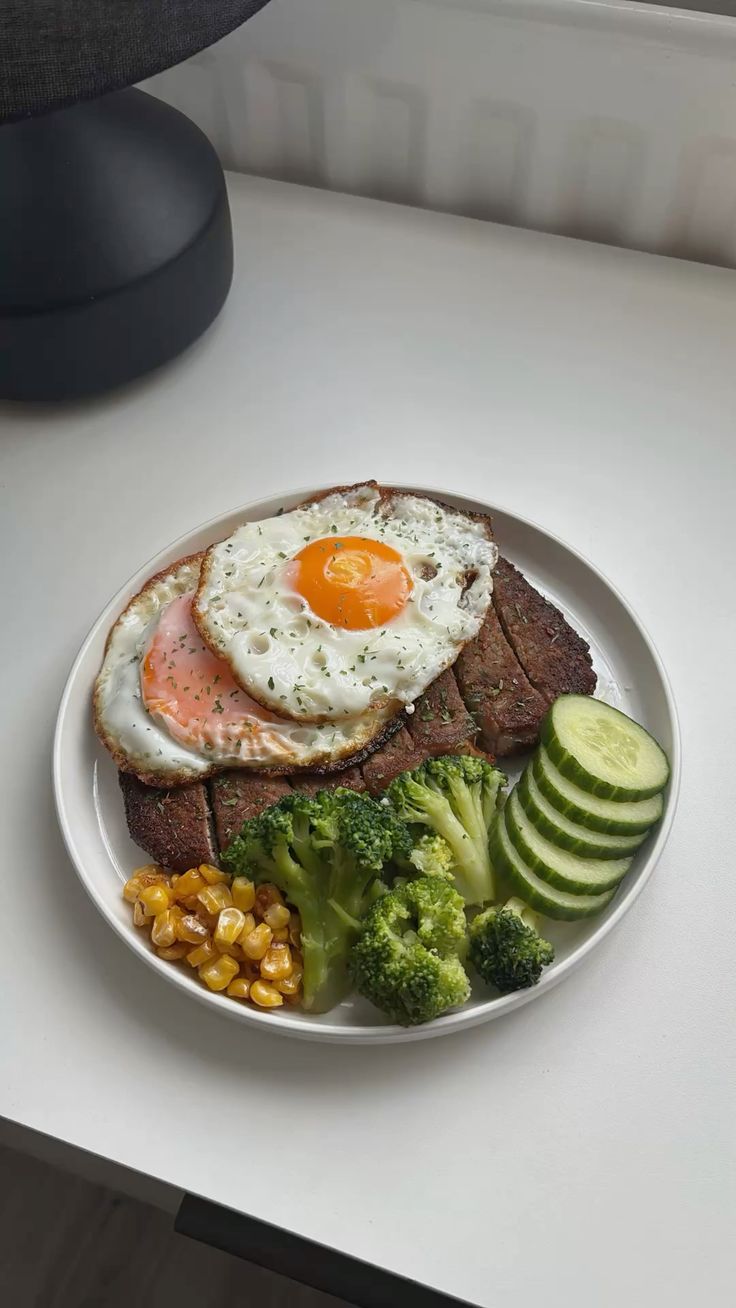

Eat healthy is easy advice and hard practice, especially for someone commuting two hours a day, or juggling back to back meetings with no lunch break in sight. Eating well on a busy schedule does not require elaborate meal prep. It requires a few realistic systems that survive contact with an actual chaotic week.
Generic nutrition advice assumes time that most working professionals do not have. An hour to cook, a free evening to meal prep, energy left over after a ten hour workday. The gap between what is healthy and what is realistic is where most good intentions quietly fail by Wednesday.
The people who eat well consistently are not relying on daily willpower. They have set defaults that make the healthy choice the easy choice. That might mean a standing tiffin subscription for lunch instead of deciding fresh every day, or a grocery list that is pre filled with the same core staples every week so healthy ingredients are always in the kitchen.
A fast, repeatable breakfast such as eggs, oats or poha removes one decision point a day and sets the tone before the day gets unpredictable. Outsourcing at least one meal is just as important. Trying to cook all three meals fresh every day is not sustainable for most schedules, so outsourcing lunch to a reliable tiffin or food service, while cooking dinner at home, is a realistic middle ground. Keeping a no cook healthy backup stock of nuts, fruit, yoghurt and boiled eggs means a bad day does not automatically become a junk food day by default.
Healthy eating breaks down fastest at the intersection of two decisions, what is in the fridge and what is easiest to order when there is nothing in the fridge. Households that plan groceries and food delivery as one system, rather than two disconnected habits, tend to eat more consistently well, because the easy option and the healthy option end up being the same thing more often.