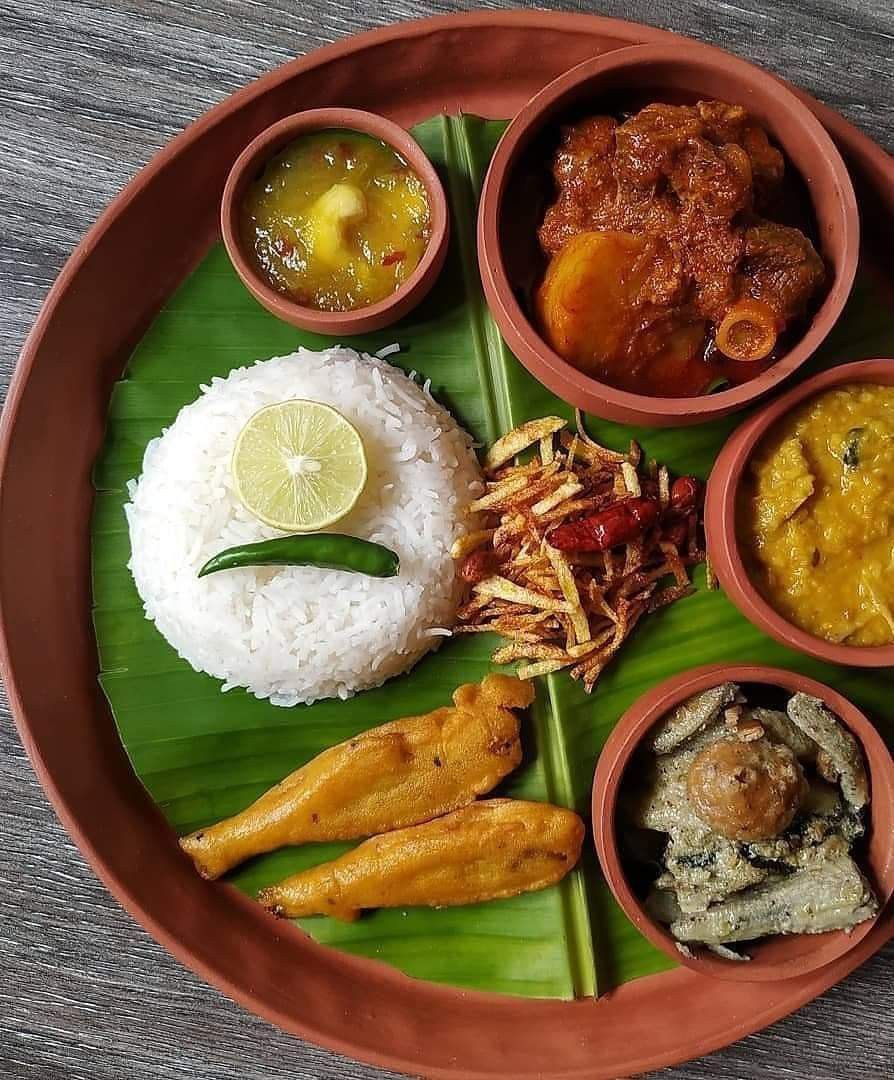
For years, food delivery in India meant a handful of familiar categories. Pizza, biryani, North Indian thali, Chinese. But a quieter shift has been happening underneath that, a growing demand for genuinely regional Indian cuisine delivered on demand. Malayali fish curry, Bengali mustard based dishes, Coorgi pork curry, Assamese thalis, food that does not fit neatly into a generic delivery app category.
Most delivery apps organise food by broad cuisine tags that flatten enormous regional diversity into a single Indian bucket. For someone from Kerala living in Bengaluru, or a Bengali family in Delhi, that categorisation misses exactly what they are craving, food that tastes like home rather than a generalised approximation of it.
India's internal migration has created large diaspora populations within its own cities. A Tamil professional working in Pune, or a Punjabi family settled in Hyderabad, represents consistent, underserved demand for cuisine that reminds them of home rather than food built for the broadest possible audience. At the same time, non native residents are increasingly curious about trying regional dishes they would not otherwise cook or find at a restaurant, turning regional cuisine into both a comfort food and a discovery food category.
Delivering authentic regional food quickly is not just a logistics problem. It requires kitchens and home cooks who know how to make the dish correctly in the first place. That is why regional food platforms increasingly work with home based cooks and small regional kitchens instead of standardised commercial kitchens, since authenticity depends more on technique and ingredient sourcing than on scale.
As quick commerce normalised fast grocery delivery, the same expectation is shifting toward food, but with an added layer of specificity. The next wave is not just fast food. It is fast, authentic and specific to where you are from, a much harder problem to solve, but a much stickier one once solved well.