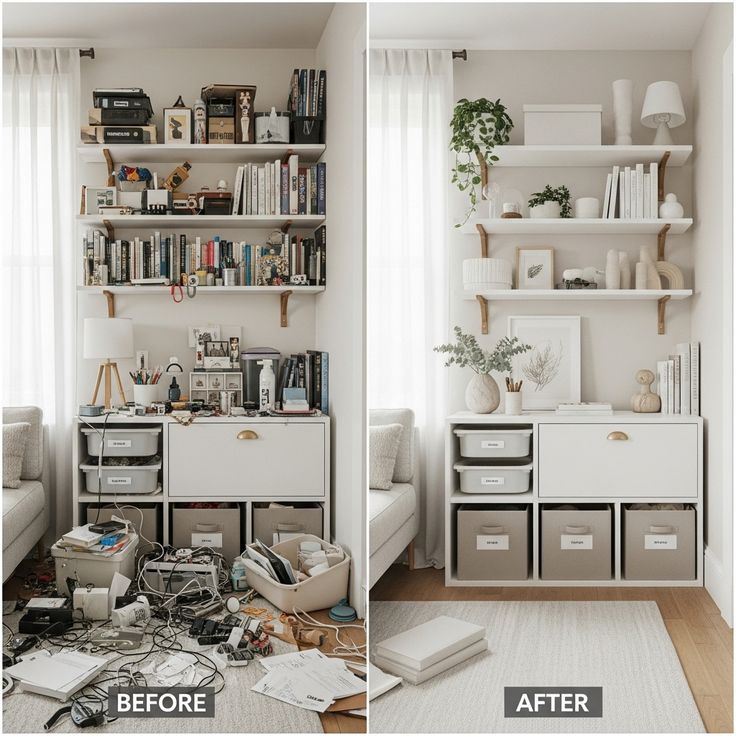
Small apartments in Indian cities do not need expensive storage systems to feel organized, they need a small number of deliberate habits repeated consistently. The biggest wins come from vertical storage, a strict one-in-one-out rule for clothes and kitchenware, and clearing surfaces daily rather than doing one exhausting deep clean every few months.
Why does clutter build up faster in small apartments
In a small space, every extra item takes up a disproportionate amount of visible room compared to a larger home, which makes clutter feel worse faster. A single extra bag of unused kitchen gadgets or old clothes is barely noticeable in a large house but immediately visible in a one or two bedroom apartment.
What is the most budget-friendly storage upgrade
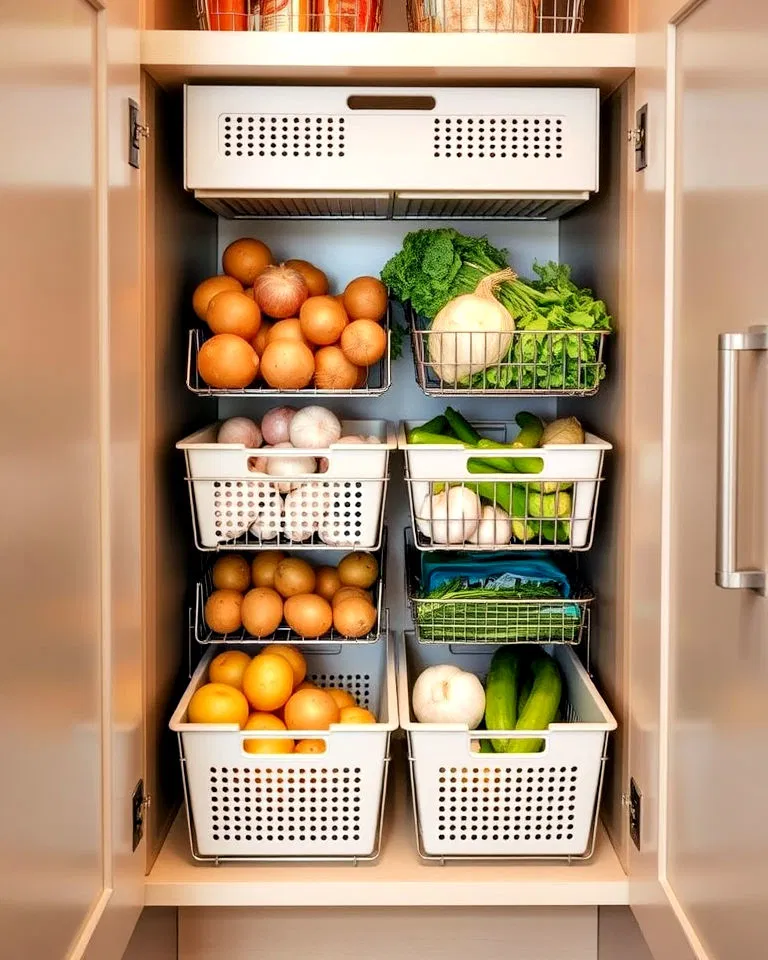
Vertical storage, using wall-mounted shelves, hooks and stackable containers, adds usable space without needing to buy new furniture or expand the apartment itself. A few sturdy hooks near the entrance for bags and keys, and stackable containers in the kitchen, solve a large share of everyday clutter for a small one-time cost.
How should kitchen storage be organized in a small space
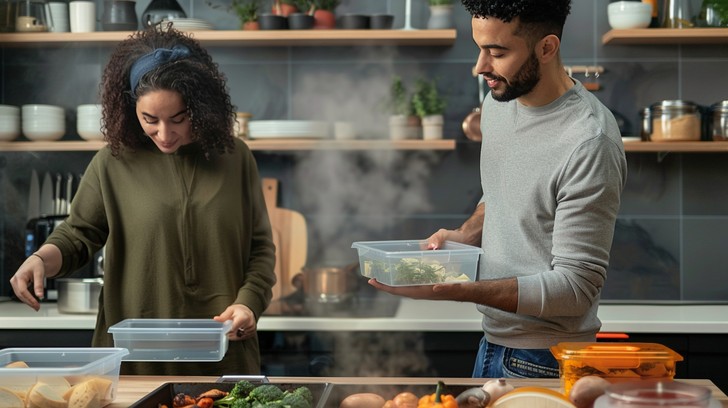
Group items by how often they are used rather than by type alone. Daily essentials like your regular cooking oil, spices and everyday utensils should be within easy reach, while occasional-use items like festive cookware or a large biryani pot can go in higher or less accessible storage, since you only need them a few times a year.
What is the one-in-one-out rule and does it actually work
The rule simply means that when you bring in a new item of clothing, a new kitchen tool or a new pair of shoes, something equivalent leaves the apartment, whether donated, sold or discarded. This prevents the slow accumulation that turns a manageable small apartment into a cramped one over a year or two, and it works because it requires no ongoing effort beyond the moment of purchase.
Does decluttering actually save money over time
Yes, indirectly. A clear view of what you already own reduces duplicate purchases, which is one of the quiet ways clutter costs money, buying a second bottle of a spice or a duplicate kitchen tool simply because the first one was buried somewhere in an overstuffed cabinet.
How smarter shopping habits support a decluttered home
Ordering groceries and household items through Grokly in planned batches, rather than picking up random extras on impulse trips to a store, naturally reduces the kind of unplanned purchases that contribute to clutter in a small apartment.