A Demographic Shift Nobody Planned For India's urban mythology is built around the joint family multi-generational, communal, deeply interdependent. Yet the 2021 Census data paints a rapidly diverging picture: single-person and two-person households now represent over 22% of all urban households in the top 10 Indian metros, up from 14% a decade ago. This is not a statistical footnote. It is a seismic shift in how India consumes from bulk family packs to single-serve SKUs, from multi-day meal planning to on-demand individual portions, from shared wardrobe decisions to hyper-personal fashion choices. And commerce platforms built for the 4-person family household are structurally miscalibrated for this new majority. "The solo urban dweller is not a niche segment. They are the next mainstream."
Who Is the Solo Urban Consumer?
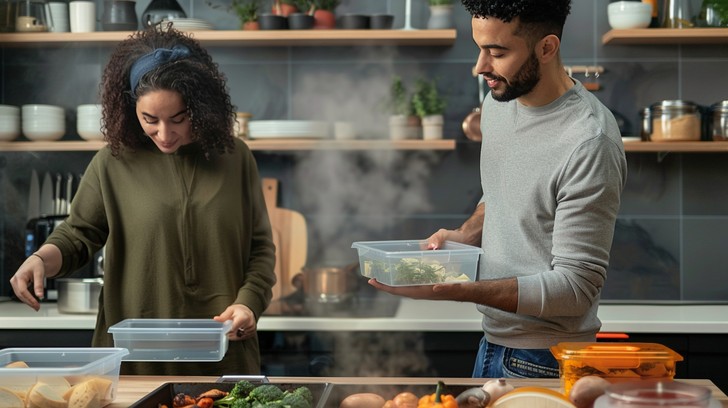
The profile is more nuanced than the shorthand "young professional" suggests. Solo urban households in Indian metros span three distinct cohorts, each with materially different commerce behaviours. Young migrants in their early to late twenties, typically in their first job and living in a rented flat without a family kitchen, lean heavily on food delivery, order groceries sparingly, and shop fashion on impulse. Those in the career-primacy stage, roughly 28 to 38, are established professionals who own or rent a quality flat they favour premium groceries, plan their meals, and curate their fashion choices more deliberately. A third cohort, those in later independence between 38 and 55 whether divorced, widowed, or voluntarily solo prioritise home comfort and health, and tend to have lower tolerance for fiddly tech-first platforms.
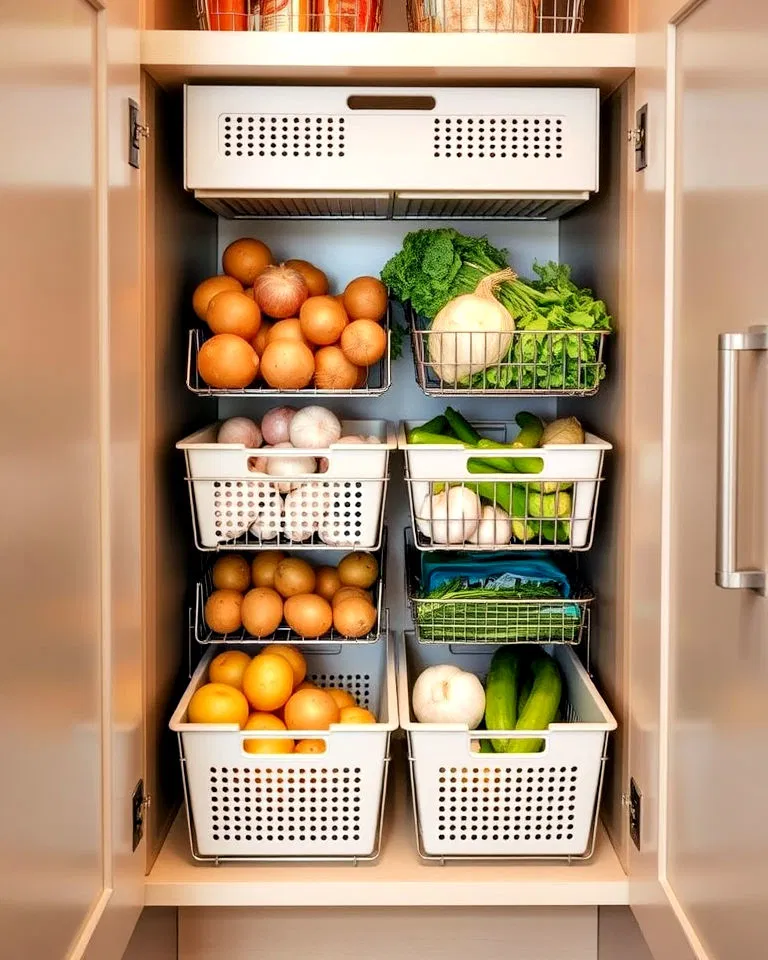
The Platform Mismatch Problem Most quick-commerce platforms still default to family-sized assumptions. Minimum order values calibrated for ₹500+ baskets. Grocery packs sized for 4-person kitchens. Fashion recommendation engines trained on couples and families scrolling together. The result is a persistent friction: the solo consumer either over-orders and wastes, or under-orders and re-orders expensively. This is not a minor UX problem it is a structural revenue leak. A solo consumer who consistently over-orders perishables by 30–40% due to poor SKU sizing will gradually shift to smaller local stores or dark kitchen subscriptions that "get" them better.
What Solo-First Commerce Looks Like The numbers make the case on their own. 22% of households in the top 10 metros are now single or two-person, according to Census 2021. The average solo urban consumer spends around ₹6,800 a month on discretionary purchases 40% above the per capita spend of family households and is 3.1 times more likely to adopt premium products than someone living in a multi-person household.
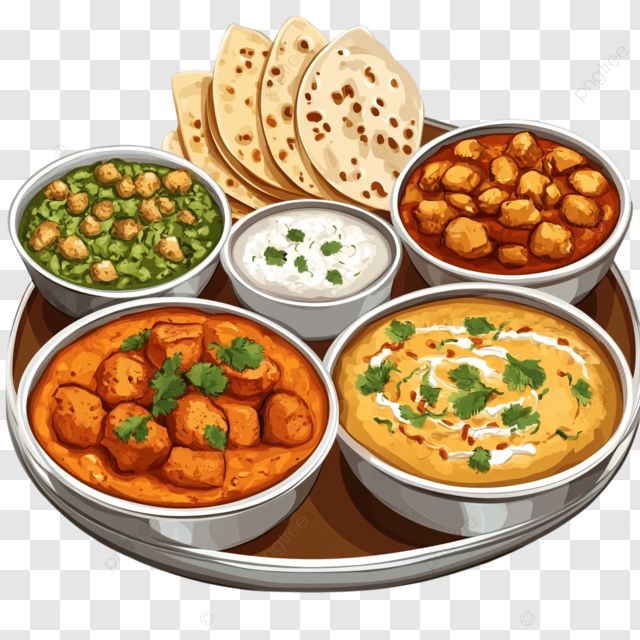
Building for the Household of One Platforms that win the solo consumer will need to rethink three fundamental design decisions: SKU architecture that is right-sized rather than economy-sized, recommendation logic built on individual taste graphs rather than household averages, and social commerce hooks centred on peer groups and interest communities rather than family bundles. Accesco Living's multi-vertical model where a solo consumer can order a single-serve Swadishtt meal, a curated InstaStyle outfit, and a right-sized Grokly basket in one unified checkout is architecturally aligned with this solo-first future. The question is not whether to build for the household of one. It is whether to do so before or after the market forces the issue.