.png)
AI Grocery Shopping | The Future of Smart Grocery Lists
Discover how AI grocery shopping is transforming the way we buy food. Learn how artificial intelligence will predict your grocery list, reduce food waste, and make shopping smarter.
How AI Will Predict Your Grocery List Before You Do
Imagine opening your grocery app on a Sunday morning. Before you type a single item, your shopping list is already waiting for you.
Milk. Eggs. Coffee. Dishwashing liquid. The vegetables you're likely to run out of tomorrow. Even your usual Friday night snacks.
It might sound futuristic, but it's closer than you think.
We're moving from a world where we search for products to one where Artificial Intelligence (AI) understands our habits and predicts what we need before we ask. This shift isn't just changing shopping, it's redefining how households are managed.
Welcome to the future of AI grocery shopping. From Shopping Lists to Smart Predictions For decades, grocery shopping has relied on memory.
You open the fridge. Check the pantry. Realize you're out of milk. Forget the toothpaste. Remember it only after you've returned home.
AI changes that.
Instead of reacting to what's missing, intelligent systems learn from your routines and build shopping lists automatically.
The more consistently you shop, the better the predictions become.
How AI Learns Your Grocery Habits
Every grocery order tells a story. Not just about what you buy but how you live.
Over time, AI can recognize patterns like:
You buy milk every five days. Rice lasts your household about a month. Coffee runs out faster during busy work weeks. Fresh fruits are usually ordered every Sunday. You prefer healthy snacks during weekdays but order desserts on weekends.
These patterns help AI create grocery lists that feel surprisingly accurate.
Instead of asking, "What do you need?", technology starts asking: "Based on your habits, here's what you'll probably need this week."
Smarter Shopping Means Less Food Waste
One of the biggest problems in modern households isn't forgetting to buy something.
It's buying too much. Extra vegetables expire. Duplicate grocery orders pile up.
Food gets pushed to the back of the fridge and forgotten.
AI can help solve this by recommending quantities based on your household's actual consumption.
Instead of suggesting "buy tomatoes," it might recommend buying only what's likely to be used before your next shopping trip.
That's good for your wallet and even better for reducing food waste.
Grocery Shopping Will Become More Personal
Today's shopping apps recommend products based on what you've already purchased.
Tomorrow's AI will go much further. Imagine recommendations based on: Your monthly budget. Your family's eating habits. Seasonal ingredients. Health goals. Dietary preferences. Local availability. Upcoming festivals or holidays.
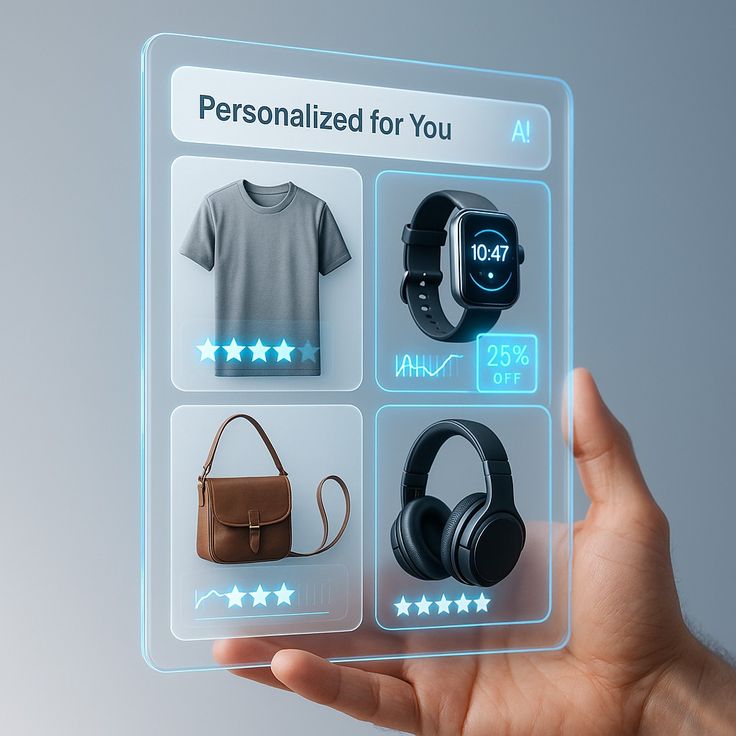
Rather than showing everyone the same offers, AI will create a grocery experience that's unique to your household.
AI Will Help You Spend Smarter
Smart shopping isn't only about convenience. It's also about making better financial decisions.
Imagine your grocery app saying: "You still have enough rice for another week." Or: "Buying this larger pack will save you ₹180 over the next month."
Or even:
"You've already spent 80% of your grocery budget this month. Here's a lower-cost alternative."
Instead of encouraging unnecessary spending, AI has the potential to help households stay within budget while making informed choices.
Shopping Will Become More Connected
Today, grocery shopping happens in one app. Food delivery happens in another. Budget tracking happens somewhere else. Meal planning often happens in your notes app.
Everything is disconnected.
The future isn't about adding more apps. It's about connecting them.
Imagine this:
You plan your meals for the week.
Your grocery list updates automatically.
Your budget adjusts in real time.
If something is already in your kitchen, it doesn't get added to the cart again.
Your household starts working like a system not a collection of separate tasks.
AI Won't Replace Decisions—It Will Simplify Them
Some people worry that AI will make decisions for us.
In reality, its biggest value is reducing the number of decisions we have to make.
Think about how many times you ask yourself:
Do I have enough milk? What should I cook tonight? Did I already buy detergent? Why is my grocery bill higher this month?
AI won't answer every question perfectly.
But it can remove much of the mental load that comes with managing a home.
And sometimes, that's even more valuable than saving money.
What This Means for the Future of Smart Living
Managing a household has never been just about buying groceries.
It's about remembering, planning, budgeting, and staying organized.
As AI becomes part of everyday life, household management will become more proactive than reactive.
Instead of constantly catching up, families will be able to stay one step ahead.
The future of shopping isn't faster delivery.
It's fewer forgotten items, less food waste, smarter budgeting, and better everyday decisions.
That's what future shopping really looks like.
Final Thoughts
Artificial Intelligence is changing far more than how we search for products.
It's changing how we plan our lives.
The best grocery list of the future won't be the one you write.
It will be the one that quietly understands your routine, learns from your habits, and helps you make smarter choices every week.
At Accesco Living, we believe the future of shopping isn't just digital—it's intelligent. By bringing together groceries, food, budgeting, fashion, and household management into one connected ecosystem, we're working toward a world where everyday decisions become simpler, smarter, and more personalized.
Because the smartest shopping experience isn't the one that sells you more.
It's the one that helps you buy exactly what you need.
Frequently Asked Questions What is AI grocery shopping?
AI grocery shopping uses artificial intelligence to analyze shopping habits, predict future purchases, recommend products, and create smarter grocery lists based on your lifestyle.
How does AI predict grocery lists?
AI studies previous purchases, shopping frequency, household size, seasonal buying patterns, and personal preferences to recommend items before you run out.
Can AI help reduce food waste?
Yes. AI can recommend more accurate quantities, remind users about existing pantry items, and prevent duplicate purchases, helping households waste less food.
Will AI replace grocery shopping?
No. AI won't replace shopping, it will make it more efficient by reducing manual planning, improving budgeting, and simplifying everyday household management.