Best Grocery Shopping Tips for Working Professionals
Discover the best grocery shopping tips for working professionals. Save time, reduce grocery bills, avoid impulse buying, and shop smarter every week.
Best Grocery Shopping Tips for Working Professionals
Between long office hours, meetings, traffic, and trying to maintain a social life, grocery shopping often becomes an afterthought.
The result? Overspending on last-minute purchases.
Ordering food more often. Wasting groceries that expire before they're used. Making multiple grocery runs every week.
The good news? A few smart grocery shopping habits can help you save time, money, and mental energy without changing your lifestyle.
Here are the best grocery shopping tips for working professionals that actually work.
1. Always Shop with a Grocery List
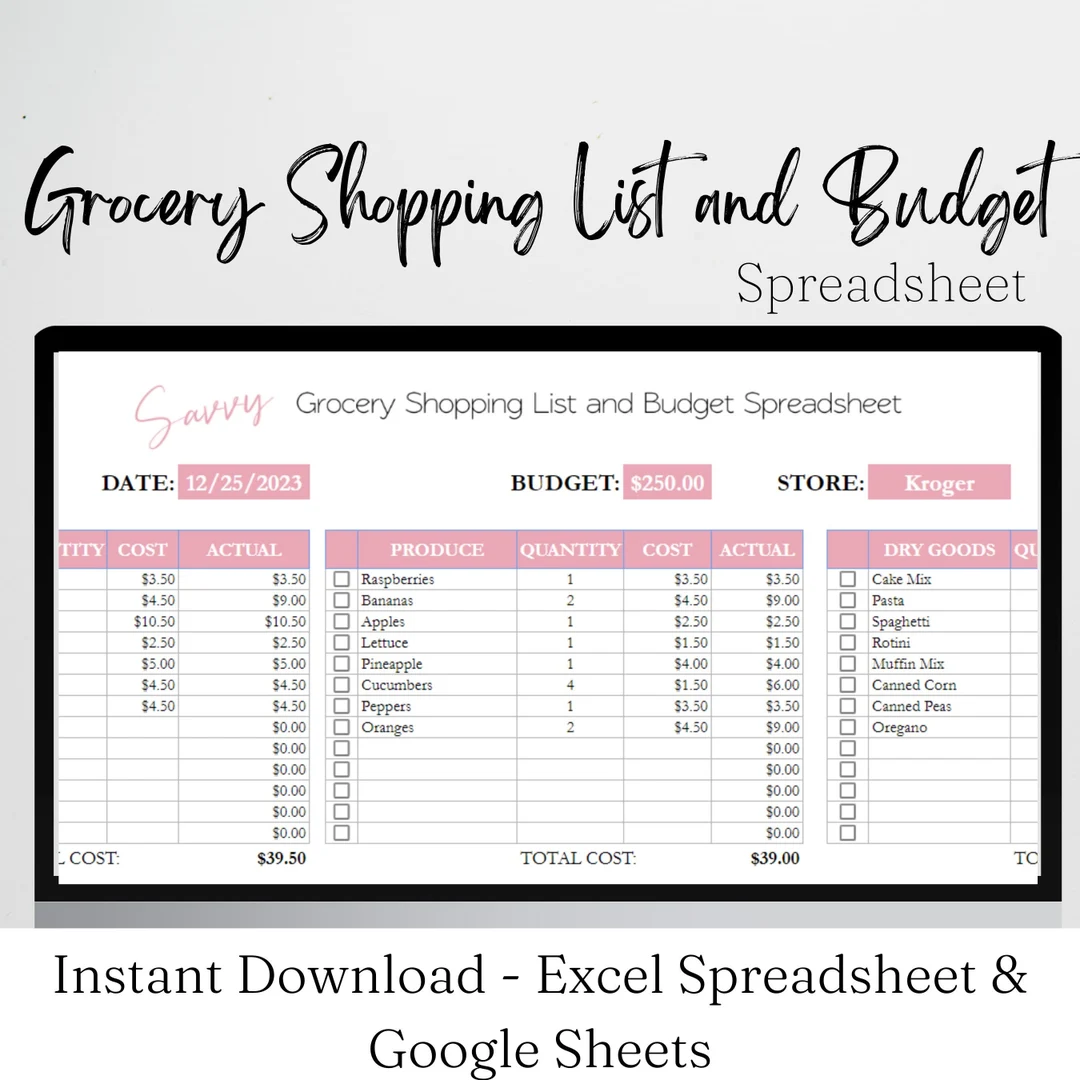
Walking into a grocery storeor opening a grocery delivery app without a list is one of the easiest ways to overspend.
A grocery list helps you: Buy only what you need. Avoid duplicate purchases. Reduce food waste. Save money every week.
Pro Tip: Organize your list into categories like fruits, vegetables, dairy, pantry staples, snacks, and household essentials for a faster shopping experience.
2. Plan Your Meals Before Shopping
One of the smartest grocery shopping tips is to decide what you'll eat before placing an order.
Instead of buying random ingredients, plan 5–7 meals for the week.
Meal planning helps you:
Buy the right quantity. Reduce food waste. Spend less.
Avoid daily "What's for dinner?" stress.
Planning meals for the week can significantly improve your grocery budget and reduce unnecessary purchases.
---
3. Set a Monthly Grocery Budget
Without a budget, grocery spending can quickly spiral.
Before shopping, decide how much you're willing to spend each month.
Track expenses across categories like:
Fruits & vegetables
Dairy
Snacks
Beverages
Household essentials
Budgeting creates awareness and helps prevent overspending.
4. Don't Shop When You're Hungry
It's simple but backed by consumer behavior research.
People tend to buy more snacks, ready-to-eat foods, and impulse items when shopping hungry.
Eat first. Shop second. Your wallet will thank you.
5. Buy Weekly, Not Daily
Daily grocery shopping often leads to unnecessary spending and wasted time.
Instead: Buy fresh produce weekly. Refill essentials monthly. Keep emergency pantry staples at home.
This reduces delivery fees, saves time, and makes meal planning easier.
6. Compare Value, Not Just Price
The cheapest product isn't always the best value.
Look at: Price per kilogram Product quality Shelf life Quantity
Buying based on value rather than price leads to smarter spending over time.
7. Keep Essential Pantry Items Stocked
A well-stocked pantry prevents emergency grocery orders.
Always keep essentials like: Rice Flour Lentils Cooking oil Salt Sugar Pasta Spices
These basics make everyday cooking easier and reduce last-minute purchases.
8. Avoid Impulse Buying
Every grocery app is designed to encourage additional purchases.
Before adding an item to your cart, ask:
Do I actually need this? Will I use it this week? Is this replacing something I already have?
A 10-second pause can save hundreds of rupees every month.
9. Choose Convenience That Saves Time
For busy professionals, convenience matters—but it should also be smart.
Look for services that help you:
Shop faster. Track spending. Organize recurring purchases. Simplify household management.
The best grocery experience isn't just fast delivery, it's reducing the effort required to manage everyday life.
10. Review Your Grocery Spending Every Month
Most people know how much they earn.
Very few know how much they spend on groceries.
At the end of every month, review:
Total grocery spend Most purchased items Unused groceries Impulse purchases
Small insights lead to smarter shopping decisions over time.
Common Grocery Shopping Mistakes Working Professionals Make
Avoid these habits if you want to save more:
Shopping without a list Ordering multiple times a week Ignoring expiry dates Buying items because they're on sale Not planning meals Forgetting what you already have at home Overspending on convenience foods Smart Grocery Shopping Checklist
Before every grocery order, ask yourself:
✅ Do I have a shopping list?
✅ Have I planned my meals?
✅ Am I within my grocery budget?
✅ Do I already own this item?
✅ Is this a need or an impulse purchase?
Following this simple checklist can help you build healthier spending habits and reduce unnecessary expenses.
The Future of Grocery Shopping Is Smarter
Grocery shopping is no longer just about getting products delivered quickly.
The future is about making better decisions.
Imagine a shopping experience that understands your household, helps you stay within budget, reduces waste, and simplifies everyday living.
That's where intelligent commerce is heading—bringing groceries, budgeting, and household management together into one connected ecosystem.
Final Thoughts
Working professionals don't need to spend more time managing groceries.
They need smarter systems.
By planning ahead, sticking to a budget, avoiding impulse purchases, and building better shopping habits, you can save time, money, and mental energy every single month.
Because smart grocery shopping isn't just about filling your cart.
It's about making everyday life easier.
Frequently Asked Questions (FAQ)
What are the best grocery shopping tips for working professionals?
The best tips include creating a grocery list, meal planning, setting a monthly grocery budget, shopping weekly instead of daily, avoiding impulse buying, and reviewing your grocery expenses regularly.
How can I save money on grocery shopping?
You can save money by shopping with a list, comparing value instead of just price, planning meals, buying only what you need, and avoiding shopping when you're hungry.
How often should working professionals buy groceries?
Most working professionals benefit from weekly grocery shopping combined with a monthly restock of pantry essentials. This reduces unnecessary spending and saves time.
Why is meal planning important for grocery shopping?
Meal planning helps you buy the right ingredients, minimize food waste, stick to your grocery budget, and avoid last-minute food delivery orders.