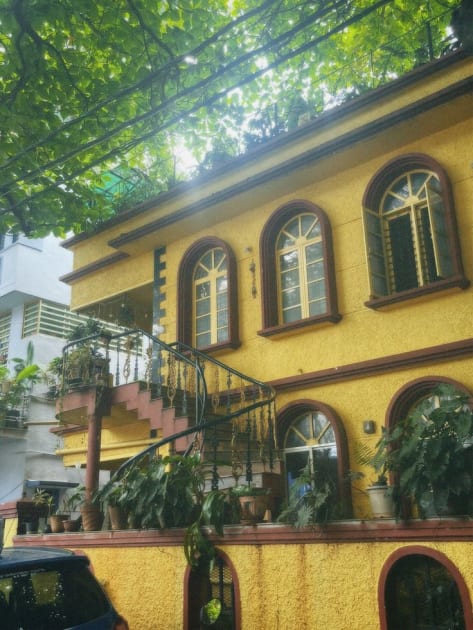
CAPTION: Traditional retail in Jayanagar has always understood what modern apps forget: households shop for multiple generations at once. DILEEP BHIMAVARAM • 4 min read • Aug 8, 2026
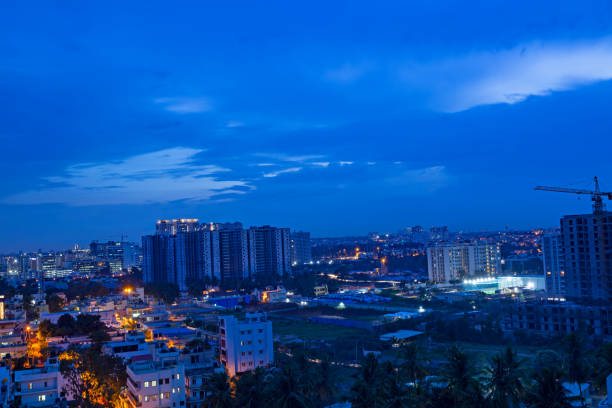
If you live in HSR Layout, Bellandur, or Sarjapur, you already know the golden rule of navigating the city: distance is never measured in kilometres. It is measured entirely in traffic signals, bottlenecks, and the unpredictable gridlock of the Outer Ring Road.
For years, the grocery supply chain in India was built on a model that completely ignored this reality. E-commerce giants built their massive fulfilment centres far outside the city limits. It made perfect financial sense for them—real estate on the extreme outskirts is cheap, and massive warehouses allow for centralised inventory. But for you, the consumer, it created a broken system. It meant your standard Sunday grocery order spent hours crawling through bumper-to-bumper traffic, baking in the back of a delivery truck before it ever reached your kitchen counter.
The Illusion of Speed and the Delivery Trap As the demand for quick commerce exploded, most apps tried to solve this logistical nightmare in the most inefficient way possible: they simply pushed their delivery riders to drive faster.
Their algorithms still assume that speed is the only variable that matters. They treat the symptoms rather than curing the disease. That model works perfectly in a sprawling, open city with wide, empty roads. It completely falls apart in Bellandur during peak hours. When you search for a "10-minute grocery near me," you aren't just an impatient customer demanding miracles. You are asking for a fundamental shift in how your food is stored. You want your groceries stocked right next door, not trapped behind three traffic jams and a waterlogged intersection.
Pushing riders to weave dangerously through gridlock doesn’t actually fix the supply chain—it just adds unnecessary stress to the neighbourhood and rarely gets your food to you in peak condition.
The Freshness Deficit and the "Sunday Fridge Audit" The real victim of this long-distance transit isn't just your patience; it is your food.
Long transit times and multiple middlemen destroy the integrity of fresh produce. We are all too familiar with the dreaded "Sunday fridge audit"—that depressing weekly ritual where you open your crisper drawer to find wilted spinach, soft tomatoes, and oxidised herbs headed straight for the bin.
Every single time a batch of produce passes from a regional distributor to a central warehouse, and then onto a long-haul truck across Bengaluru, it loses vital moisture, flavour, and nutritional value. By the time it survives the Silk Board junction, it is already days older than it should be. This systemic failure is why many residents still prefer to walk to a crowded local market on weekends rather than trust an app with their fresh food.
What is proximity indexing in quick commerce? Proximity indexing keeps digital inventory tied to small, local hubs near you. When you open the app, everything you see is stocked within two kilometres of your door.
How Accesco Living is Rewriting the Rules Accesco Living recognised that you cannot fix a broken supply chain by driving a delivery bike faster. You have to physically change where the food lives before it reaches you.
Our hyperlocal delivery hubs across Bengaluru are designed to work with the reality of the city's geography, not against it. Instead of routing your food through massive, distant warehouses, Accesco Living moves daily essentials directly from producers straight to our highly organised neighbourhood dark stores.
Because the inventory is already sitting right inside your community, the final delivery time is cut down to minutes. We don't have to battle Outer Ring Road traffic to get your groceries to you, because your groceries are already on your side of the traffic jam.
Smart Coordination for the Modern Household When you pair this ultra-local physical infrastructure with our transparent, automated grocery tracking, you get something entirely new. You get a unified household service that actually fits how you live, work, and eat in this city.
Accesco Living is built on the belief that modern tech corridors don't need more delivery bikes squeezed into intersections that are already packed beyond capacity. You need an intelligent commerce platform built around the actual geography of your neighbourhood. By swapping out long-distance transit for smart, localised coordination, Accesco Living guarantees that your fresh produce actually stays fresh, your deliveries are genuinely predictable, and your time is treated with the respect it deserves.