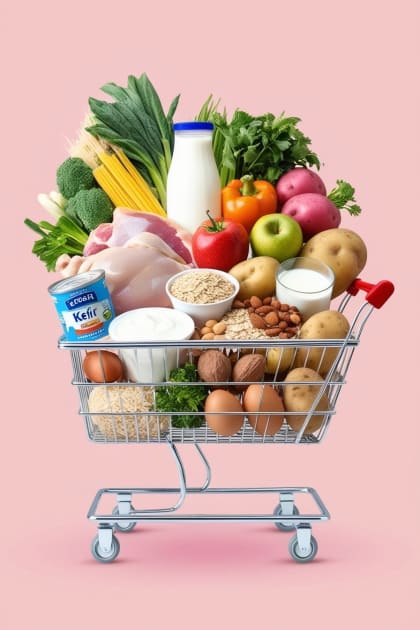
India’s quick-commerce revolution has solved one major problem: speed. From groceries and essentials to food and everyday products, consumers can now get what they need at their doorstep within minutes. But there is a deeper problem that remains largely unsolved understanding the household behind the order. People do not always wake up knowing exactly what products they need to search for. They think about what to cook, what they are running out of, what fits their budget, what their family prefers and what would actually make everyday life easier. The industry has become excellent at fulfilling demand, but there is still a gap between understanding demand and simply responding to it.
This is where Accesco Living approaches commerce differently. Its vision is to build intelligent commerce around the everyday household, using curation and personalisation to make shopping more relevant rather than simply offering an enormous catalogue. With Grokly, for example, the consumer can start with a dish instead of searching for individual ingredients “Tell us the dish, we add the items.” Swadishtt takes a similar approach to food through curated meals, recipes and India’s regional culinary identity. The objective is simple: reduce the effort required to decide what to buy while making discovery more relevant to the individual household.
The difference also extends beyond the consumer interface into the supply chain. Accesco is exploring direct sourcing from FPOs, farmers, manufacturers and other source partners, creating a closer connection between what households demand and what suppliers provide. When meal preferences, recurring consumption and local demand can be understood at scale, commerce can move towards more demand-led procurement instead of simply stocking a generic assortment and waiting for consumers to search. This creates an opportunity for Accesco to connect household demand, intelligent curation and direct sourcing into one continuous commerce system.
There is also another side of the transaction that traditional commerce often overlooks: what happens after consumption. Accesco’s Eco-Return introduces the concept of reverse commerce, where eligible waste materials, packaging and recoverable value can move back from households into the ecosystem in exchange for redeemable points or benefits. Through OriCircle, these materials can potentially move towards recovery, reuse or recycling partners. The ambition is to make the reverse journey as simple as the forward journey turning commerce from a one-way movement of products into a more circular system.
Ultimately, the household blind spot is not about a lack of products or delivery infrastructure. It is about context. Accesco Living is trying to connect discovery, personalisation, curation, consumption, sourcing and reverse commerce around the way people actually live. The first phase of quick commerce was about delivering faster; the next opportunity may be about understanding better. Because when commerce understands the household, the question changes from “What do you want to order?” to “What would make everyday life easier for you?”