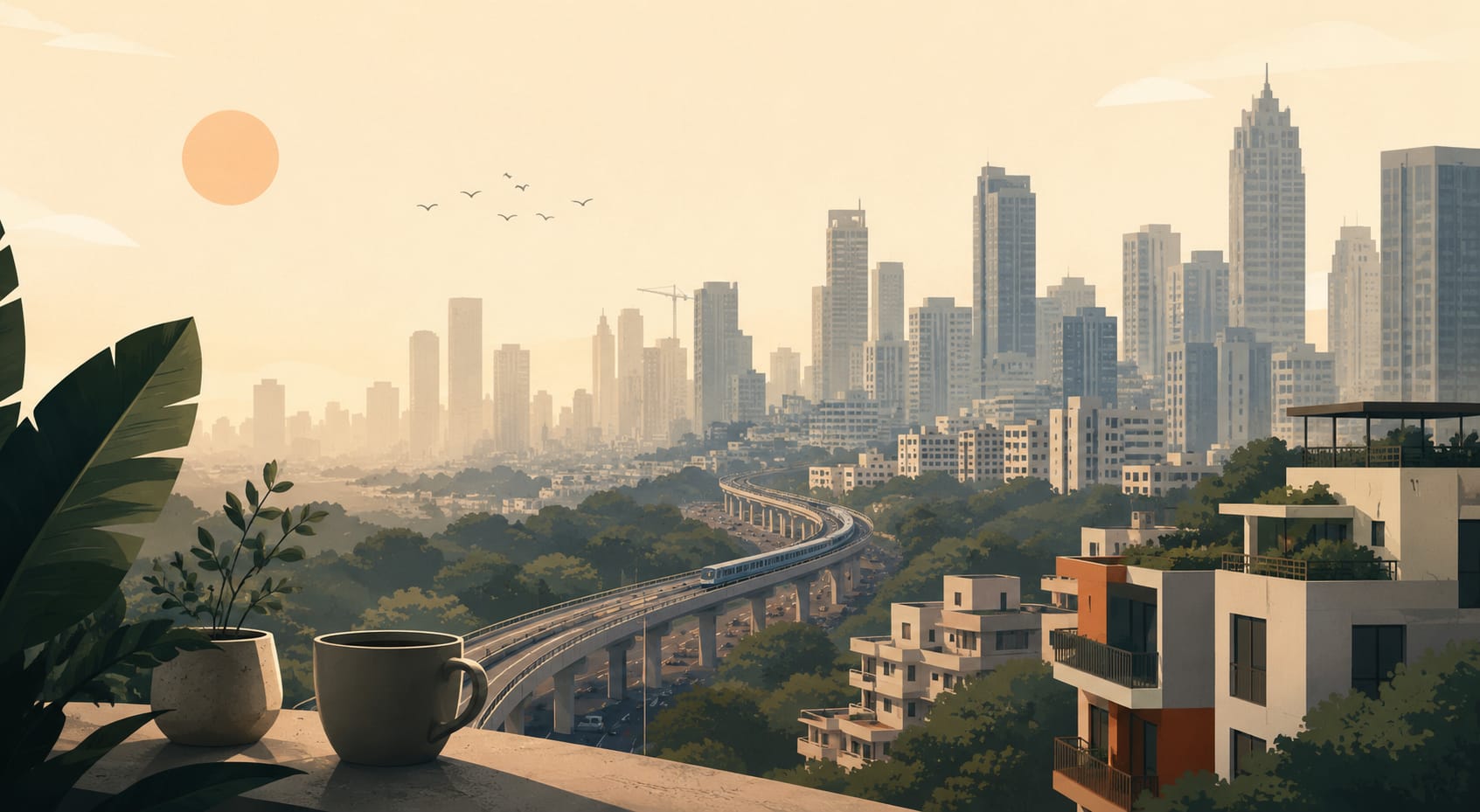
There is a version of Bengaluru that exists in the imagination of people who have not lived here recently. The city of gardens, mild weather and manageable distances.
That city still exists in traces. But the Bengaluru most working people actually inhabit in 2026 is a different place. It is a city that asks a great deal of the people who live in it, quietly and persistently, in ways that are easy to miss because each individual demand seems small.
The day begins earlier than it should because the commute cannot be underestimated. Traffic in Bengaluru is not just slow. It is unpredictable in the specific way that is most exhausting, the kind that requires constant recalculation and a low-grade readiness for things to go worse than planned. By the time the evening commute is done, something between 90 minutes and three hours of the day has passed in a vehicle. The household's mental reserves have been depleted in a way that does not feel like work but costs asmuch as work does.
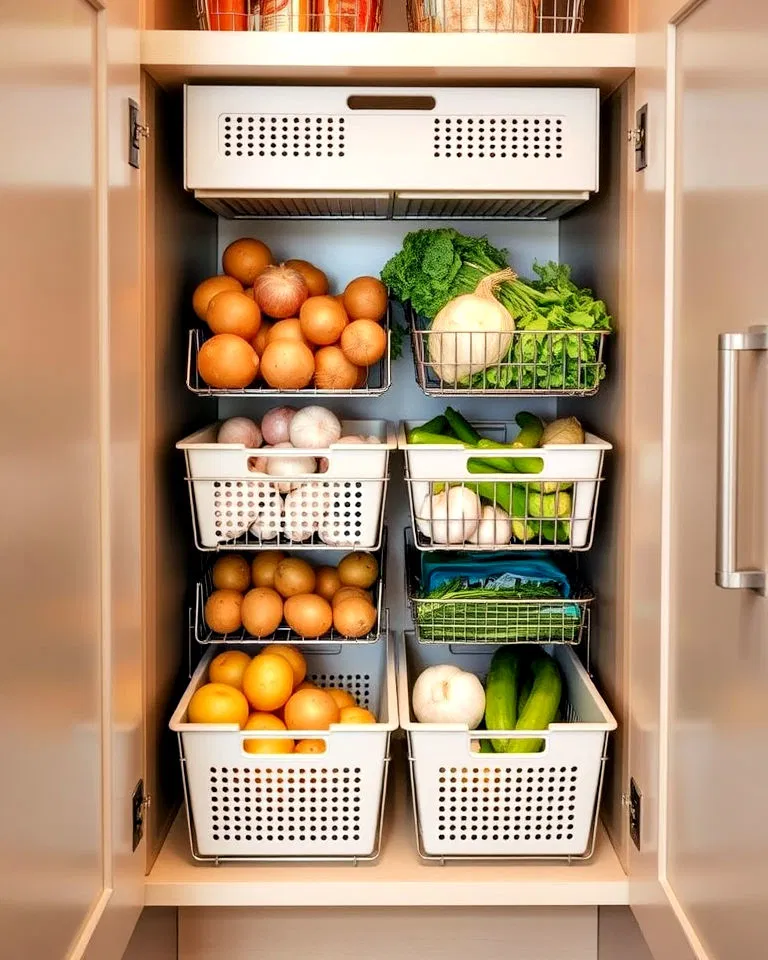
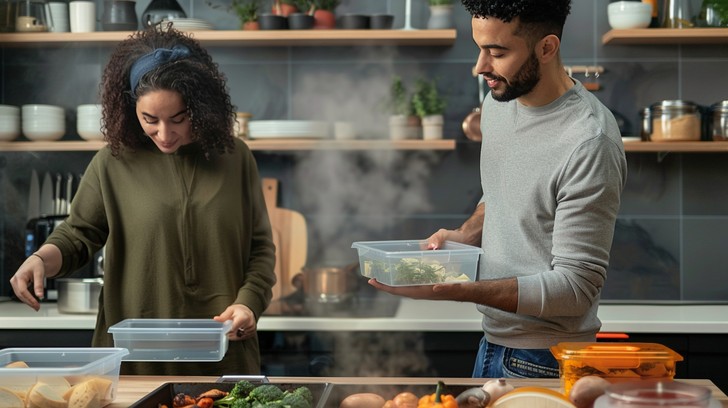
The household waits. The groceries that should have been ordered in the morning were not, because the morning had no space. The meal that should have been planned has not been, because planning requires a moment of stillness the day did not offer. Each task is small. Collectively, they constitute a second job that most dual-income households are running without acknowledging that they are running it.
Quick commerce understood part of this. Groceries in 11 minutes instead of a 40-minute supermarket trip on Saturday morning is not a trivial convenience. It is a meaningful return of time to households that are running on not enough of it. But the solutions remain incomplete. Each new delivery app adds its own layer of management. You now need accounts on five platforms, need to compare prices across three, track spending across all of them, and make decisions in each session without knowing how those decisions fit into the household's overall financial picture. The city asked a lot. The apps gave something back. Then they quietly started asking for something in return.
What would actually help is not one more app for one more category. It is a single place where a household can see and manage the whole of its daily life, what it is eating, wearing, spending and saving, without needing to stitch five dashboards into a coherent picture. Something that understands the person ordering groceries at 10 PM after a long day is not a consumer to be optimised against. They are someone who is tired, who has already made a hundred decisions today, and who needs the task to be done in four minutes.
This is the premise behind Accesco Living. Not just faster delivery or smarter budgeting, though it is both. The premise is simpler than either. The city already asks enough of you. The platform you use to run your household should not ask for more. It should give some back.