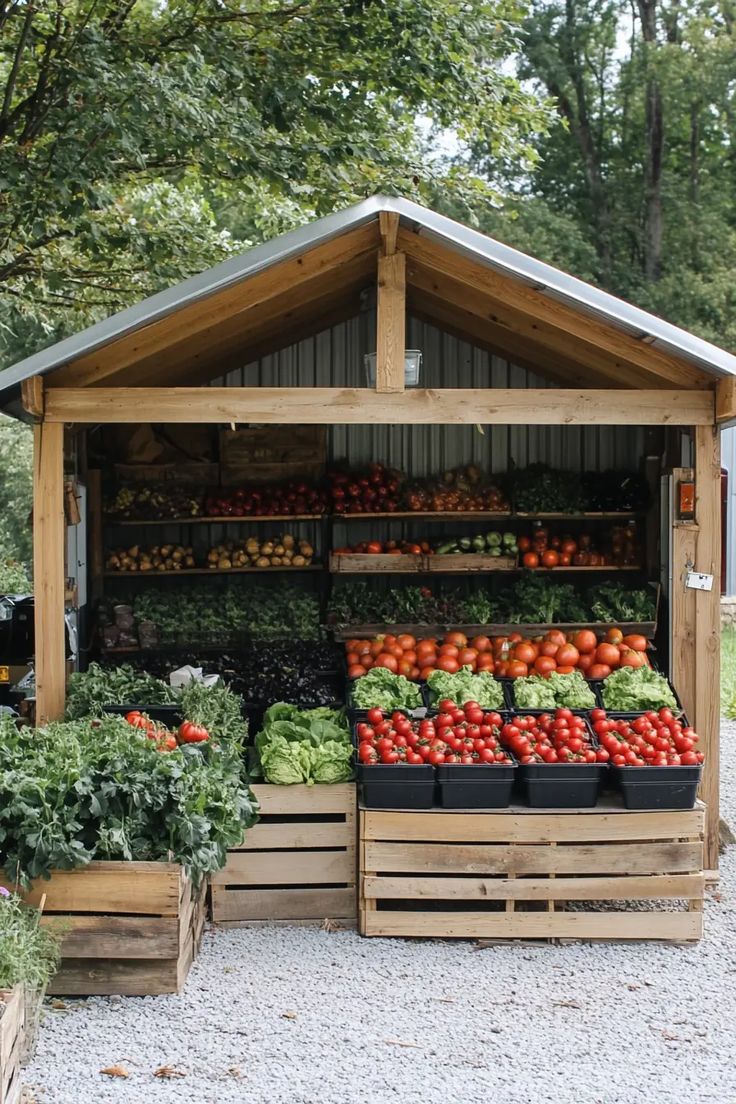
Most of us rarely think about where our groceries come from. We open an app, add vegetables, fruits, and essentials to our cart, and wait for the delivery notification. By the time the order reaches our doorstep, the journey behind those products has already been forgotten. Yet every tomato, every packet of rice, and every bunch of spinach has traveled through a complex network of farms, warehouses, distributors, and transport systems before reaching our homes.
The modern grocery experience is built on convenience. Consumers expect fresh produce, competitive prices, and increasingly faster deliveries. Over the last decade, technology has transformed the final step of the supply chain, making it possible to order groceries in minutes. However, while the customer-facing side of commerce has evolved rapidly, the journey that takes place before a product appears on an app remains surprisingly complicated.
For most agricultural products, the path from the farm to the consumer is far from direct. Farmers grow crops and sell them to local aggregators or wholesale markets, where products are sorted and transported to larger distribution centers. From there, they pass through retailers, warehouses, and logistics partners before finally reaching consumers. Each stage adds costs, delays, and, in many cases, waste.
This system developed for practical reasons. Intermediaries help farmers access larger markets, manage transportation, and handle fluctuations in demand. Without them, many producers would struggle to sell their goods beyond local communities. At the same time, every additional layer creates inefficiencies that affect both ends of the supply chain. Farmers often receive only a fraction of the final retail price, while consumers pay significantly more than the original value of the product.
Food wastage is one of the biggest consequences of this fragmented system. Fresh produce is particularly vulnerable because it has a limited shelf life. Delays in transportation, improper storage, and inaccurate demand forecasting can result in large quantities of food being discarded before they ever reach consumers. According to various estimates, a significant portion of fruits and vegetables produced in India is lost somewhere between the farm and the market.
For households, these inefficiencies are largely invisible. A customer ordering groceries online sees only the final price and the estimated delivery time. The challenges faced by farmers, distributors, and logistics providers remain hidden behind a simple user interface. Yet these challenges influence everything from pricing and availability to the quality of products that arrive at the doorstep.
Technology has begun to change parts of this system. Better logistics networks, digital payments, and improved forecasting tools have made it easier to move products across long distances. Data is helping businesses predict demand, optimize inventory, and reduce waste. Consumers now have access to products that would once have been difficult to find outside major cities.
Still, the future of grocery commerce may depend on improving what happens before the delivery process even begins. Direct sourcing models, for example, aim to shorten the distance between producers and consumers by reducing the number of intermediaries involved. In theory, this approach can help farmers earn more while giving households access to fresher products at more competitive prices.
This shift is particularly important in a country like India, where agriculture remains central to the economy. Millions of people depend on farming for their livelihoods, yet supply chains are often fragmented and inefficient. Building stronger connections between producers and consumers is not only a business opportunity but also an opportunity to create more resilient systems.
Emerging commerce platforms are beginning to explore these possibilities. Accesco Living, through initiatives such as Grokly, has emphasized direct sourcing and partnerships with farms in Karnataka as part of its broader vision for household commerce. The idea is not simply to deliver groceries quickly but to rethink the journey that products take before they ever enter a customer's cart.
Of course, technology alone cannot solve every challenge in the agricultural supply chain. Issues such as infrastructure, climate conditions, and market volatility continue to affect producers across the country. But better coordination, improved data, and more efficient logistics can reduce some of the friction that currently exists between farms and households.
Consumers are also becoming more aware of these issues. Questions about freshness, sustainability, and sourcing are increasingly influencing purchasing decisions. People want to know where their food comes from and whether the systems behind modern commerce are benefiting everyone involved.
For years, innovation in grocery delivery has focused on speed. The next phase of progress may focus on transparency. Consumers are beginning to look beyond the convenience of quick deliveries and ask deeper questions about the origins of the products they buy.
Every grocery order tells a story that begins long before a customer opens an app. It starts in fields, warehouses, and transport networks that most people never see. Understanding that journey is essential because the future of commerce will not be shaped solely by how fast products arrive at our doors. It will also be shaped by how intelligently and sustainably they get there in the first place.

.png)