.png)
How Food Delivery Changed Urban India | The Rise of Convenience & Smart Living
Discover how food delivery transformed urban India, changing lifestyles, work culture, spending habits, and household management. Learn how smart living is shaping the future.
How Food Delivery Changed Urban India
A decade ago, ordering food online was considered a luxury. Today, it's a part of everyday life.
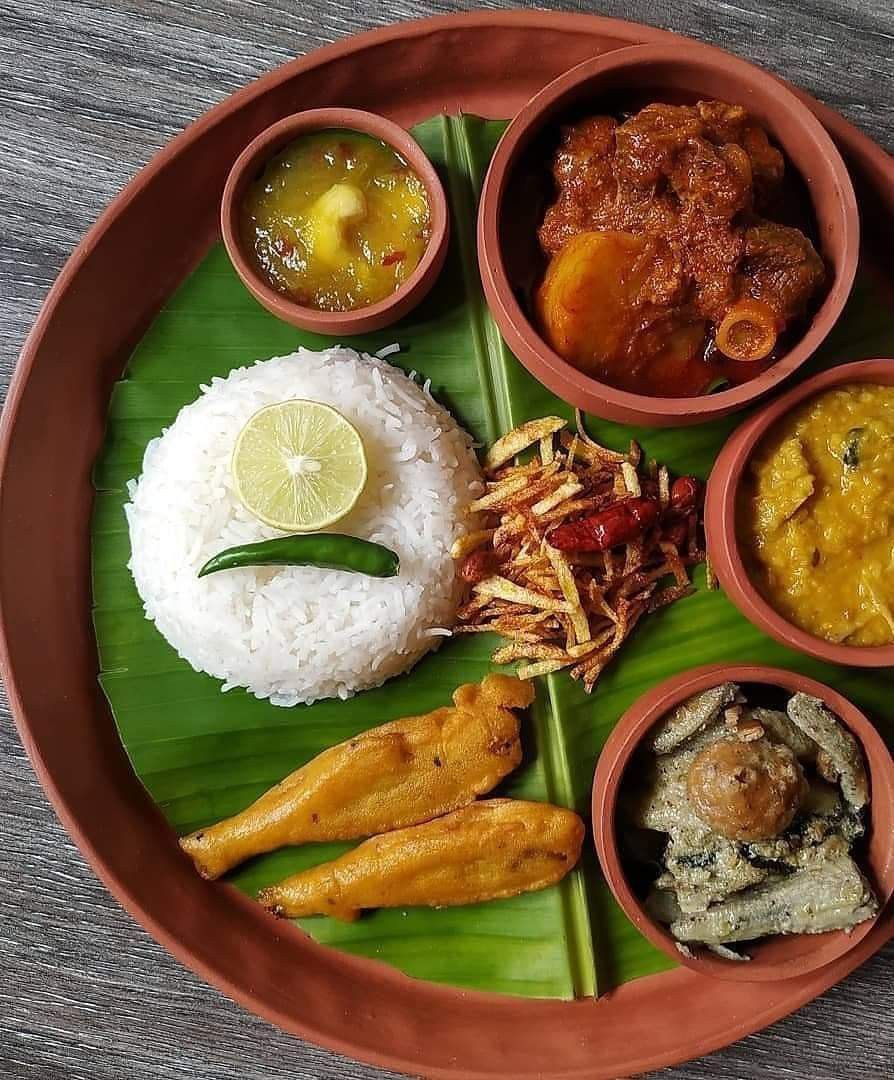
Whether it's a software engineer ordering lunch between meetings, a student craving midnight snacks, or a family skipping weekend cooking, food delivery has fundamentally changed how urban India eats, spends, and lives.
Apps like Swiggy, Zomato, and Blinkit have made convenience the new normal. But food delivery has done more than save time—it has reshaped work culture, household routines, consumer expectations, and even our relationship with money.
Let's explore how food delivery in India has transformed urban living and what it means for the future of smart households.
1. Convenience Became the Default One of the biggest reasons food delivery exploded across India is simple: People value time more than ever.
Long working hours, traffic, hybrid work, and busy schedules mean cooking isn't always practical.
Instead of planning meals days in advance, urban consumers can now browse hundreds of restaurants and have food delivered in minutes.
For many professionals, convenience isn't a luxury anymore—it's a necessity.
2. Urban Lifestyles Changed Forever Food delivery has become deeply connected to modern city life. Today, ordering food is no longer limited to weekends or special occasions.
People order because they're: Working late Too tired to cook Hosting friends Living alone Managing multiple responsibilities Looking for healthier meal options Craving comfort food
This shift has made food delivery a regular household expense rather than an occasional treat.
3. Consumer Expectations Have Changed Urban customers now expect almost everything to happen instantly. From groceries and medicines to fashion and electronics, speed has become a key part of the customer experience.
Food delivery helped create this expectation. Consumers now look for: Faster delivery Real-time tracking Personalized recommendations Better customer service Cashless payments Seamless digital experiences
These expectations have influenced almost every digital business in India.
4. Restaurants Became Digital Businesses Food delivery platforms didn't just change customers. They transformed restaurants too.
Today, many restaurants operate as cloud kitchens, serving customers without traditional dine-in spaces.
This has allowed businesses to: Reach larger audiences Reduce operating costs Experiment with new cuisines Expand into multiple neighborhoods
Technology has become just as important as the food itself.
5. Food Delivery Changed Spending Habits Convenience often comes with a hidden cost. Small orders made several times a week can significantly increase monthly expenses.
Many consumers underestimate how much they spend on: Delivery charges Platform fees Late-night cravings Impulse orders Restaurant markups
Without tracking these purchases, food delivery can quietly become one of the largest monthly lifestyle expenses.
This is why smart budgeting has become just as important as convenience.
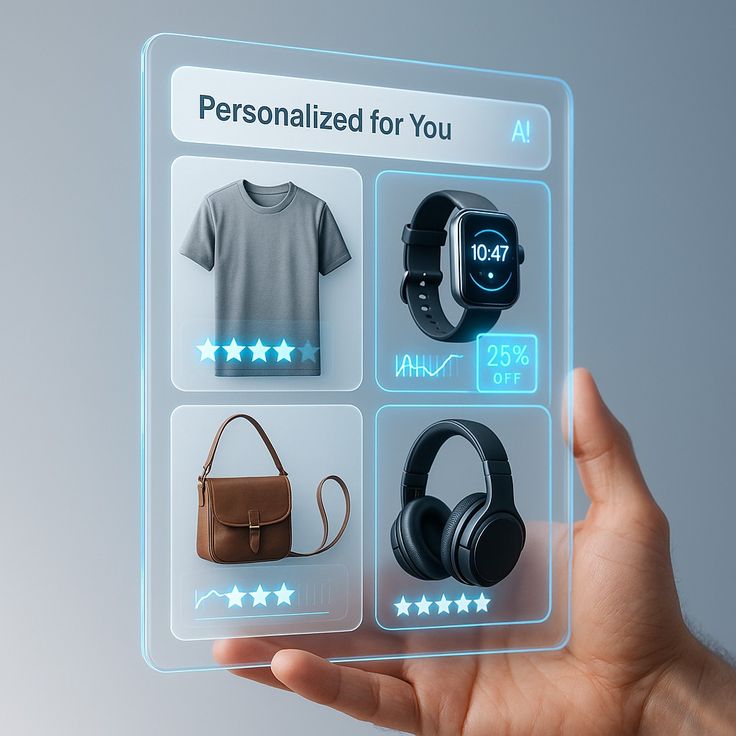
6. Data Is Creating More Personalized Experiences Every food order generates valuable insights. Platforms learn: Your favorite cuisines Meal timings Spending patterns Dietary preferences Frequently ordered restaurants
This data helps improve recommendations and offers. The next evolution of food delivery won't simply be faster—it will be smarter.
Instead of asking, "What do you want to eat?" technology will increasingly help answer, "What's the best choice based on your habits, budget, and goals?"
7. Food Delivery Is Now Part of Household Management Food is no longer an isolated decision. It affects: Monthly budgets Grocery planning Health goals Family routines Time management
The challenge is that these decisions often happen across different apps and platforms. One app handles food. Another manages groceries. Another tracks expenses. Another stores shopping lists. The experience remains fragmented.
8. The Future Is Connected Living The next phase of urban living isn't about having more apps. It's about making those experiences work together.
Imagine a household where: Grocery shopping aligns with your meal plans. Food delivery fits within your monthly budget. AI recommends meals based on what's already in your kitchen. Shopping decisions become more intentional. Household management feels effortless instead of overwhelming.
This is the direction smart living is moving toward.
Instead of isolated transactions, the future lies in connected ecosystems that help people make better everyday decisions.
What This Means for Urban India
Food delivery has made life faster, but speed alone isn't enough anymore.
As urban lifestyles become busier and households become more digital, people are looking for more than convenience.
They want: Better planning Smarter spending Less decision fatigue Connected household experiences More time for what matters
Food delivery was the first step. Smart household management is the next.
Final Thoughts
Food delivery has changed how India eats, but its biggest impact goes beyond meals.
It has reshaped routines, influenced spending habits, accelerated digital adoption, and raised expectations for convenience across every aspect of life.
The future isn't about ordering faster.
It's about living smarter.
As technology continues to evolve, the biggest opportunity isn't creating another app, it's building systems that connect everyday decisions into one seamless experience.
That's where the next chapter of urban living begins.