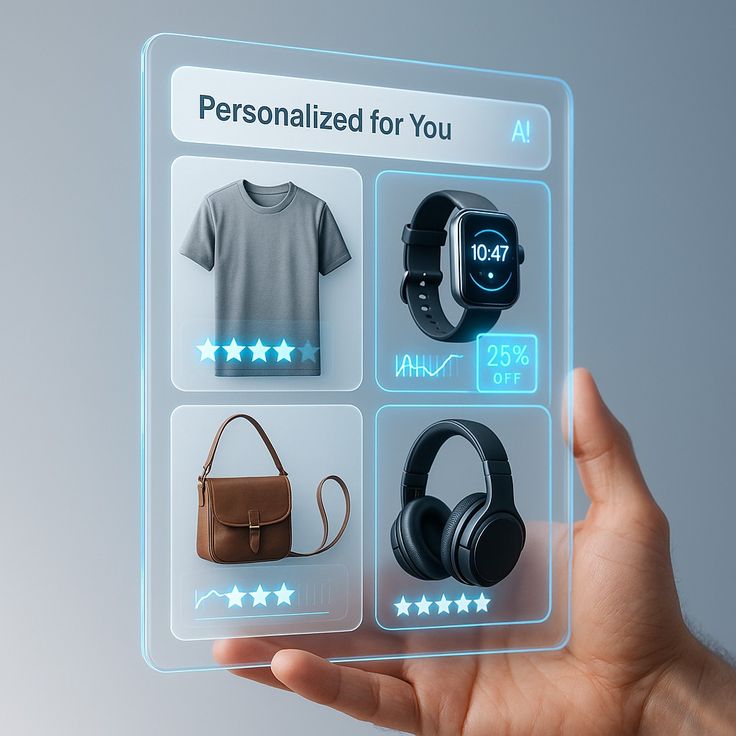
Think about how many apps you use in a single day just to manage ordinary life. You need something for breakfast, so you open one app; you want to order lunch, so you switch to another; you realise you need something for your home, so you search somewhere else; and then, just before heading out for the weekend, you find yourself browsing yet another platform for an outfit. Somewhere along the way, convenience has started to feel surprisingly complicated. This is especially true in a city like Bangalore, where life rarely follows a predictable schedule. A typical day could mean an early commute from HSR Layout, meetings in Koramangala, a quick coffee in Indiranagar, a late evening at work in Whitefield and a weekend plan that somehow requires three separate shopping trips. Bangalore is a city that embraced technology early because people here understand the value of saving time, but the next question is whether technology can make everyday life feel genuinely more connected. That is where the idea of an all-in-one lifestyle platform becomes interesting. Instead of thinking about groceries, food, fashion and home essentials as completely separate categories, imagine being able to explore these everyday needs through one connected ecosystem. The reason this makes sense is simple: people don't actually live in categories. You don't wake up thinking, “Today I am going to be a grocery customer.” You think about what you need to get done. Maybe you need breakfast essentials before work, dinner after a long day, a new outfit for Saturday and a few things for your home. These are different purchases, but they are all part of the same life. This is the thinking behind intelligent commerce, an approach that looks beyond the individual transaction and focuses on making the overall shopping experience more relevant and convenient. Accesco Living is being built around this idea, bringing areas such as food, fashion, groceries, home essentials and lifestyle shopping into a broader intelligent commerce ecosystem. The goal isn't to convince people to spend more or download another app just for the sake of it; it is to make the things they already need easier to discover, manage and access. For a working professional in Whitefield, that could mean managing everyday purchases around an unpredictable work schedule. For a student in Koramangala, it could mean finding food, essentials and lifestyle products without jumping between multiple platforms. For a family in HSR Layout, it could mean making household shopping feel less like another weekly responsibility. For someone living in Indiranagar, it could mean discovering something for dinner and something to wear for the same evening without turning the process into a digital treasure hunt. The bigger shift here is from category-based shopping to lifestyle-based shopping. Traditional e-commerce asks, “What product are you looking for?” Intelligent commerce can ask a much more useful question: “What are you trying to make easier today?” That difference may sound small, but it changes the entire experience. Food becomes more than a meal; it becomes dinner after a tiring day. Fashion becomes more than clothing; it becomes what you need for a celebration, meeting or night out. Home essentials become more than products; they become the little things that keep your everyday routine running smoothly. When these needs are viewed together, shopping starts to feel less fragmented. And perhaps that is what the future of commerce should look like. We have spent years being given more apps, more products, more choices and more notifications, but more isn't always better.Sometimes the smartest solution is simply less friction: fewer platforms to switch between, less time spent searching, fewer routine decisions and more time for the things that don't happen inside a shopping app. Bangalore is already ready for this kind of thinking because the city has always been comfortable adopting technology when it solves a real problem. From digital payments to app-based transport and food delivery, convenience has become part of everyday life. The next step could be creating a more connected experience around the way people actually live. Accesco Living is exploring that possibility by bringing different parts of everyday commerce together under one ecosystem. Because ultimately, the future of shopping may not belong to the platform with the biggest catalogue or the loudest offers. It may belong to the platform that understands that a customer is not just shopping for products; they are managing a life. And in a city as busy, ambitious and constantly moving as Bangalore, anything that makes that life feel a little simpler is worth paying attention to.