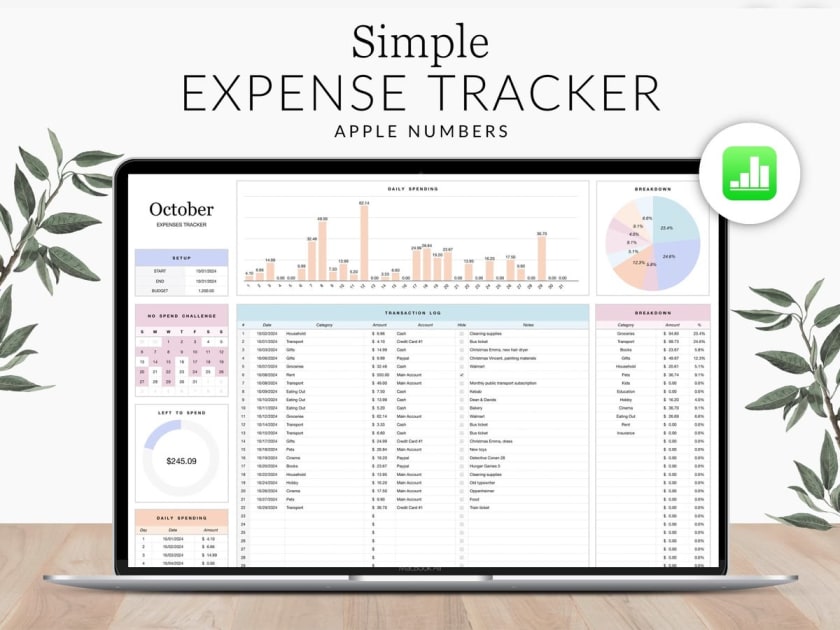
Managing money isn't just about earning more—it's about understanding where your money goes. Many people struggle to save because they don't have a clear picture of their daily spending habits. Small purchases like food deliveries, subscriptions, and impulse shopping can quickly add up without you realizing it. Tracking your monthly expenses helps you identify unnecessary spending and make smarter financial decisions without drastically changing your lifestyle.
Creating a budget doesn't have to be complicated. Start by categorizing your expenses into essentials, savings, and discretionary spending. Whether you use a notebook, a spreadsheet, or an expense-tracking app, consistently recording your expenses can help you stay within your financial goals. Setting monthly spending limits for different categories also makes it easier to avoid overspending while ensuring you have enough for savings and emergencies.
Expense tracking is a habit that builds long-term financial discipline. It helps reduce financial stress, improves saving habits, and gives you greater control over your money. Over time, you'll be able to plan for bigger goals like travel, education, or buying a home with confidence. The sooner you start tracking your expenses, the easier it becomes to build a secure financial future.